
Comprehensive Buying Guide to Male Fertility Tests in Hong Kong (2026)


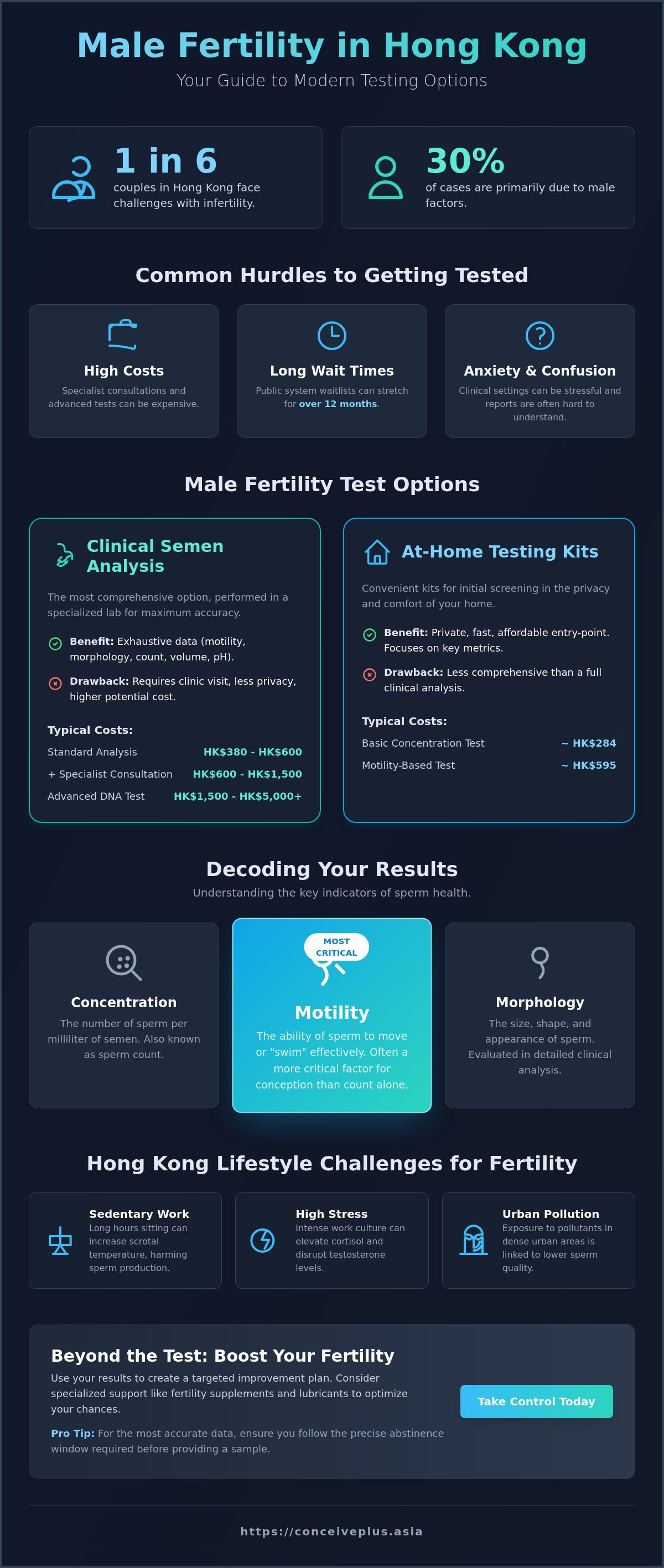
Did you know that approximately one in six couples in Hong Kong face challenges with infertility, and male factors are the primary cause in 30% of those cases? If you've been putting off a male fertility test Hong Kong because of the high cost of specialists or the anxiety of a clinical environment, you're not alone. Many men find clinic visits time-consuming and the medical jargon in lab reports confusing. It's frustrating when you just want clear answers about your reproductive health without the stress of a public system waitlist that can stretch for over twelve months.
This guide promises to simplify your search by comparing the best clinical and at-home testing options currently available in the city. You'll learn how to interpret key sperm health metrics and discover actionable steps to boost your fertility from the privacy of your own home. We'll walk you through everything from professional semen analysis to convenient test kits, helping you take decisive control of your path to parenthood today.
Key Takeaways
- Understand the trade-offs between private clinic screenings and at-home kits to find the right balance of privacy, speed, and clinical depth for your needs.
- Compare the costs and accuracy levels of a male fertility test Hong Kong, ranging from comprehensive clinical semen analysis to affordable home monitoring options.
- Learn why sperm motility is often a more critical indicator of reproductive success than simple sperm count when reading your results.
- Discover the essential preparation steps, including the precise abstinence window required to ensure your sample provides the most accurate data.
- Find out how to use your test results to create a targeted improvement plan using specialized support like Conceive Plus fertility supplements and lubricants.
Navigating Male Fertility Testing Options in Hong Kong
In a city as fast-paced as Hong Kong, the old advice of waiting a full year before seeking a male fertility test Hong Kong is becoming outdated. With career demands and the rising average age for first-time parents, local couples are increasingly choosing to be proactive. The public healthcare system currently sees wait times of 7.5 to 12 months for initial subfertility assessments. For many professionals, this delay is simply too long. Private clinics and at-home screening options offer a faster way to integrate reproductive health into a broader family planning strategy without the long wait.
To better understand how you can fit screening into a busy schedule, watch this helpful video:
Choosing the right path depends on your specific goals. While some men opt for a basic pre-marital check-up, others require a detailed semen analysis to evaluate parameters like concentration, morphology, and motility. Getting these results early allows you to align your health journey with your partner’s cycle. It's often helpful to use an online ovulation calculator to time your testing and lifestyle changes effectively.
When should you book your first test?
Men in high-stress environments often face biological pressures earlier than they expect. If you’re over 35 or have been trying for six months without success, it’s time to act. Don't wait for a formal referral if you're concerned. A male fertility test Hong Kong provides a baseline that helps you identify if lifestyle adjustments or medical interventions are needed before more time passes. It's about gaining clarity rather than waiting for a problem to arise.
The role of lifestyle in HK male fertility
The unique environment of Hong Kong presents specific challenges to sperm health that aren't always discussed in general medical guides. Long office hours in Central or Kowloon often lead to a sedentary lifestyle. This lack of movement can negatively impact circulation and hormone levels. Additionally, urban factors like localized heat and air pollution are known stressors for reproductive health.
- Sedentary Work: Sitting for 8 to 10 hours a day can increase scrotal temperature, which may harm sperm production.
- High Stress: The intense "work hard, play hard" culture can lead to elevated cortisol, potentially disrupting testosterone levels.
- Urban Pollution: Exposure to pollutants in dense urban areas has been linked to lower sperm quality in various studies.
Testing is the only way to see how these environmental factors are affecting you personally. Once you have your data, you can make targeted changes to your routine. Whether it's standing more during the day or adjusting your diet, having a baseline is the first step toward improvement.
Clinical Semen Analysis vs. At-Home Testing Kits
Deciding between a clinic visit and an at-home kit is the first hurdle for many men. While a clinical male fertility test Hong Kong offers the most exhaustive data, at-home kits have evolved significantly in recent years. A laboratory analysis typically looks at every detail, from volume and pH to morphology, which refers to the physical shape of the sperm. MedlinePlus explains semen analysis as a foundational tool that measures several factors to determine if a man's sperm are healthy and viable. In contrast, most home kits focus on concentration and motility, which are the primary drivers of conception.
In Hong Kong's private sector, the financial investment varies based on the depth of the analysis. A standard semen analysis at specialized centers in Tsim Sha Tsui or Central usually ranges from HK$380 to HK$600. However, don't overlook the consultation fee. Many private clinics charge an additional HK$600 to HK$1,500 for a specialist to explain the report. If you require advanced DNA fragmentation testing, prices can climb between HK$1,500 and HK$5,000. Home kits offer a more budget-friendly entry point. Basic tests start around HK$284, while high-quality motility-based tests like SwimCount cost approximately HK$595.
What to expect at a Hong Kong fertility clinic
If you choose a clinic, you'll be shown to a private room for specimen collection. These rooms are designed for privacy, but the clinical setting can still feel sterile and high-pressure for some. The main benefit is the professional oversight and the speed of the results. Private labs in Hong Kong often deliver a full report within 24 to 48 hours. This is significantly faster than the public system, making it the preferred choice for those who want immediate, professional confirmation from a lab technician.
The benefits of at-home fertility screening
For men who value discretion above all else, home kits are the gold standard. They arrive in plain packaging, allowing you to test in the comfort of your own bathroom without the "stage fright" some experience in a clinic. This method is particularly useful for tracking improvements over a three to six month period after you've made lifestyle changes or started supplements. If a home test shows low results, it serves as a clear signal that you should book a specialist appointment for a deeper dive. While you're waiting for your results or a clinic opening, you can explore expert fertility advice to start optimizing your health immediately.
Decoding the Metrics: What Your Results Actually Mean
Receiving your report from a male fertility test Hong Kong is only the first step; the real challenge lies in understanding what those figures mean for your path to parenthood. Most lab results focus on three primary pillars: count, motility, and morphology. While a high sperm count is the most well-known metric, it's rarely the whole story. You need to look at the entire profile to get a clear picture of your reproductive health.
Sperm Count refers to the number of sperm present per milliliter of semen. In 2026, a "normal" concentration is generally considered 15 million per milliliter or higher. However, Motility is often the more critical factor. This measures the percentage of sperm that are moving effectively. If they can't "swim" through the cervix to reach the egg, a high count won't matter. Labs usually look for at least 40% total motility, with a focus on "progressive motility," meaning they are moving in straight lines or large circles rather than just twitching in place.
Morphology assesses the physical shape of the sperm. Ideally, sperm should have an oval head and a long tail. While it’s normal for a large percentage of sperm to have "abnormal" shapes, having at least 4% normal forms is the standard benchmark. Finally, Volume and pH levels provide subtle clues about your biology. Low volume might suggest a blockage or dehydration, while an abnormal pH could indicate issues with the prostate or seminal vesicles. You can see how others managed their results by reading our community reviews to see how they moved forward.
WHO standards for semen analysis
The World Health Organization (WHO) 6th Edition Manual establishes the global reference ranges used to determine if semen parameters fall within the fertile population's lower limits. Hong Kong laboratories use these international standards to benchmark your results against millions of data points. It's quite common for healthy men to receive "borderline" results in one category. This doesn't necessarily mean infertility, as factors like recent illness, high stress in the weeks before the test, or even a tight work schedule in the city can cause temporary fluctuations in your metrics.
Identifying 'Red Flags' in your report
Some metrics on your report serve as immediate warning signs that require medical attention rather than just lifestyle changes. The presence of Leukocytes (white blood cells) often indicates an underlying infection or inflammation in the reproductive tract. Another concern is Agglutination, which occurs when sperm stick together in clumps. This prevents them from moving freely and is often caused by anti-sperm antibodies. If your report highlights these issues, it's best to take your results to a reproductive endocrinologist or a urologist specializing in male fertility. They can help you determine if a course of antibiotics or more advanced testing is necessary to resolve these specific hurdles.
How to Prepare for Your Fertility Test in Hong Kong
Preparing for your male fertility test Hong Kong isn't just about showing up at the clinic; it's about optimizing the biological conditions to ensure your data is reliable. Even the most advanced lab analysis can't compensate for a poorly prepared sample. To get a true reflection of your reproductive health, you need to manage your lifestyle and timing with precision in the days leading up to your appointment.
The most critical factor is the abstinence window. You should avoid ejaculation for at least 2 days but no more than 5 days before your test. This is often called the "sweet spot." If the window is too short, your sperm count might appear artificially low. If it's too long, the sperm can become less mobile, leading to a poor motility score. Consistency is key, especially if you plan to take follow-up tests to track improvements over time. If you're looking for ways to support your journey during this preparation phase, you can explore fertility-friendly products designed to assist couples during conception.
Logistics also play a massive role if you're collecting your sample at home. Most laboratories in Hong Kong require the specimen to be delivered within 60 minutes of collection. Given the city's unpredictable traffic and MTR crowds, you must plan your route carefully. Keep the sample container close to your body, such as in a jacket pocket, to maintain it at body temperature during transit. Exposure to extreme cold or heat during a commute from the New Territories to a Central lab can easily kill the sperm before they reach the technician.
Step-by-step testing checklist
- Schedule wisely: Don't book your test during a week with high-stress work deadlines or after a series of late nights in the office.
- Keep it cool: Avoid hot baths, saunas, and steam rooms for at least 48 hours. Excessive heat is a known "sperm killer" that can temporarily tank your results.
- Skip the gym: Intense, exhaustive exercise the day before can sometimes impact hormone levels and sample quality.
- Stay hydrated: Drink plenty of water in the 24 hours leading up to the test to ensure adequate semen volume.
Common mistakes that ruin test accuracy
One of the most frequent errors is using standard lubricants or even saliva during collection. Most household lubricants are spermicidal and will destroy the sample immediately. If you need assistance, only use specialized, fertility-safe options. Another mistake is failing to collect the entire sample. The first portion of the ejaculate contains the highest concentration of sperm; if any of this is missed, the resulting count will be significantly undervalued. Finally, if you've had a fever or a viral illness in the last three months, consider rescheduling. It takes about 72 to 90 days for new sperm to mature, so a fever today can impact your male fertility test Hong Kong results for weeks to come.
Beyond the Test: Boosting Fertility with Conceive Plus
Once you hold the report from your male fertility test Hong Kong, the next step is transforming that data into a clear plan of action. Results are simply a snapshot in time. Because the process of spermatogenesis takes approximately 72 to 90 days, the choices you make today will directly shape the quality of your sperm three months from now. Whether your results showed borderline motility or a concentration that needs a boost, being proactive is the fastest way to improve your chances of conception.
Many men in Hong Kong reach for standard multivitamins, but these generic formulas often lack the concentrated dosages required for reproductive health. Specialized nutrition focuses on the specific biological needs of sperm production. High levels of oxidative stress, often caused by the city's pollution and high-pressure work environments, can damage sperm DNA. Counteracting this requires a targeted approach that goes beyond basic wellness, focusing instead on the building blocks of healthy, mobile sperm.
Targeted support for male reproductive health
The science behind improving sperm quality centers on key minerals and antioxidants. Zinc is a vital component for testosterone production and sperm count, while Selenium and Vitamin E work together to protect sperm from free radical damage. If your test results highlighted issues with motility, these nutrients are essential. They help ensure that the sperm being produced are not only numerous but also strong enough to make the journey to the egg.
In addition to internal support, consider the external environment during your partner's fertile window. Most standard lubricants actually act as a barrier to sperm. Using a fertility-friendly lubricant that mimics natural fluids is a simple but effective adjustment. For couples who want to cover all bases, you can explore fertility support bundles designed for couples in HK. These bundles combine nutritional support with specialized lubricants to create a more hospitable environment for conception.
Success stories and community feedback
You aren't alone in this journey. Many couples in Hong Kong have successfully used their male fertility test Hong Kong results as a catalyst for change. By combining clinical data with targeted supplements and lifestyle adjustments, they've seen measurable improvements in follow-up tests. Hearing from others can provide the motivation needed to stay consistent with your new routine.
If you're curious about how these changes work in the real world, you can read customer reviews on the impact of targeted supplements. Seeing the progress other men have made with their sperm count and motility can give you confidence in your own plan. Ready to take the next step in your reproductive health journey? Shop Conceive Plus Fertility Support today and start building a stronger foundation for your future family.
Take Control of Your Reproductive Future Today
A male fertility test Hong Kong is more than just a medical requirement; it's a vital tool for making informed decisions about your family's future. By choosing the right testing method and following a strict preparation window, you ensure your results reflect your true health. Remember that sperm quality isn't static. The choices you make regarding nutrition and lifestyle today will manifest in your fertility profile over the next three months. Testing provides the baseline, but your daily habits drive the improvement.
If your results suggest room for growth, don't wait for a specialist referral to begin your journey. Proactive support is key to navigating the unique stressors of life in the city. Conceive Plus is trusted by couples in over 70 countries and offers products that are scientifically formulated for reproductive health. All orders are available for discreet delivery in Hong Kong, ensuring your privacy is maintained every step of the way.
Ready to move from testing to action? Shop Male Fertility Support Bundles to start your proactive plan today. You now have the data and the tools to succeed. Stay focused on your goals, and take the next step toward parenthood with confidence.
Frequently Asked Questions
How much does a male fertility test cost in Hong Kong?
Prices for testing vary depending on the depth of the analysis you require. A basic semen analysis at a private clinic typically costs between HK$380 and HK$600. If you need advanced DNA fragmentation testing, the price usually ranges from HK$1,500 to HK$5,000. These fees often exclude the specialist consultation, which can add several hundred dollars to your total bill in the private sector.
Where can I get a private sperm test in Central or Tsim Sha Tsui?
Several specialized clinics operate in these districts to provide convenient access for busy professionals. The Hong Kong Reproductive Medicine Centre in Tsim Sha Tsui and various private IVF clinics in Central offer comprehensive screening. Booking a male fertility test Hong Kong at these centers ensures you receive a laboratory-grade report with results typically delivered within 48 hours. These locations offer private collection rooms designed for your comfort and discretion.
How long should I abstain from ejaculation before a fertility test?
You should avoid ejaculation for a minimum of two days but no longer than five days before your test. This specific window is crucial for ensuring both a high sperm count and optimal motility. Short abstinence periods can lead to an artificially low concentration, while waiting too long can cause sperm to become less mobile. Consistency is vital if you're taking multiple tests to track your health progress over several months.
Are at-home male fertility tests as accurate as clinic tests?
Modern home kits are highly accurate at measuring specific metrics like concentration and motility. High-quality kits provide results that correlate closely with laboratory findings for these two primary factors. However, they don't replace a full clinical analysis, which also examines morphology, pH levels, and the presence of white blood cells. A home test is an excellent screening tool, but a clinic test remains the gold standard for a full medical diagnosis.
What is the difference between a pre-marital check-up and a semen analysis?
A pre-marital check-up is a broad screening that often includes blood tests for infectious diseases alongside a very basic sperm count. In contrast, a dedicated semen analysis is a deep dive into your reproductive health using international standards. It evaluates the shape, movement, and concentration of your sperm in detail. While a pre-marital test is a good starting point for couples, a fertility-specific analysis is necessary if you've been struggling to conceive.
Can I improve my sperm test results in 3 months?
Yes, it's possible to see measurable improvements in your results after 90 days. Because it takes about three months for new sperm to fully mature, lifestyle changes and targeted nutrition have a delayed effect. If you start a regimen of antioxidants, reduce heat exposure, and manage stress today, those changes will be reflected in your next male fertility test Hong Kong. Consistency during this three-month window is essential for seeing positive outcomes.
Does the Hong Kong Family Planning Association offer male fertility tests?
The Family Planning Association of Hong Kong (FPAHK) offers subfertility services, including semen analysis, to married couples. While their services are often more affordable than private clinics, they can have longer waiting lists for initial assessments. They provide basic investigations and services like artificial insemination. It's a reliable option for couples who don't mind a longer wait time in exchange for lower costs compared to the private healthcare sector.
What should I do if my sperm count is low?
If your results show a low count, don't panic; many factors can influence a single sample. Your first step should be to review lifestyle factors like smoking, alcohol consumption, and heat exposure. Starting a targeted fertility supplement can also help provide the nutrients needed for sperm production. If a second test confirms the low count, consult a urologist or reproductive endocrinologist to rule out underlying medical issues like varicoceles or hormonal imbalances.


